Contents
Humanity\'s love for metal is older than history itself.
9000 BCE — The Discovery of Copper
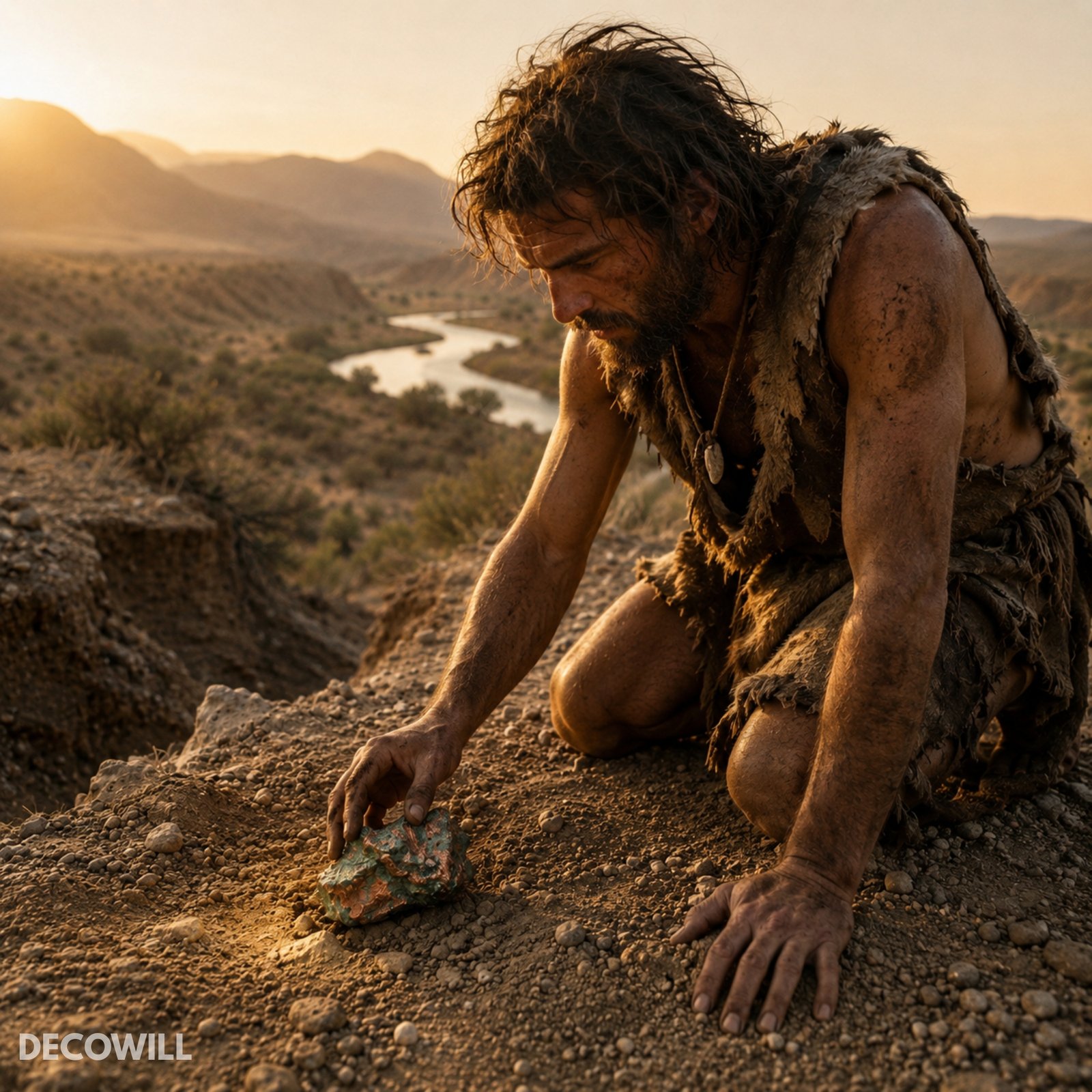
It began with copper. Unlike stone, copper could be heated, shaped, and worked into tools, ornaments, and decorative objects. By around 9000 BCE, people in Western Asia had already begun transforming this naturally occurring metal into objects of beauty and utility — marking the first chapter in humanity\'s long relationship with decorative metals.
3300 BCE — The Bronze Revolution
The next great leap came when ancient metalworkers discovered that mixing copper with tin produced something far stronger and more versatile.
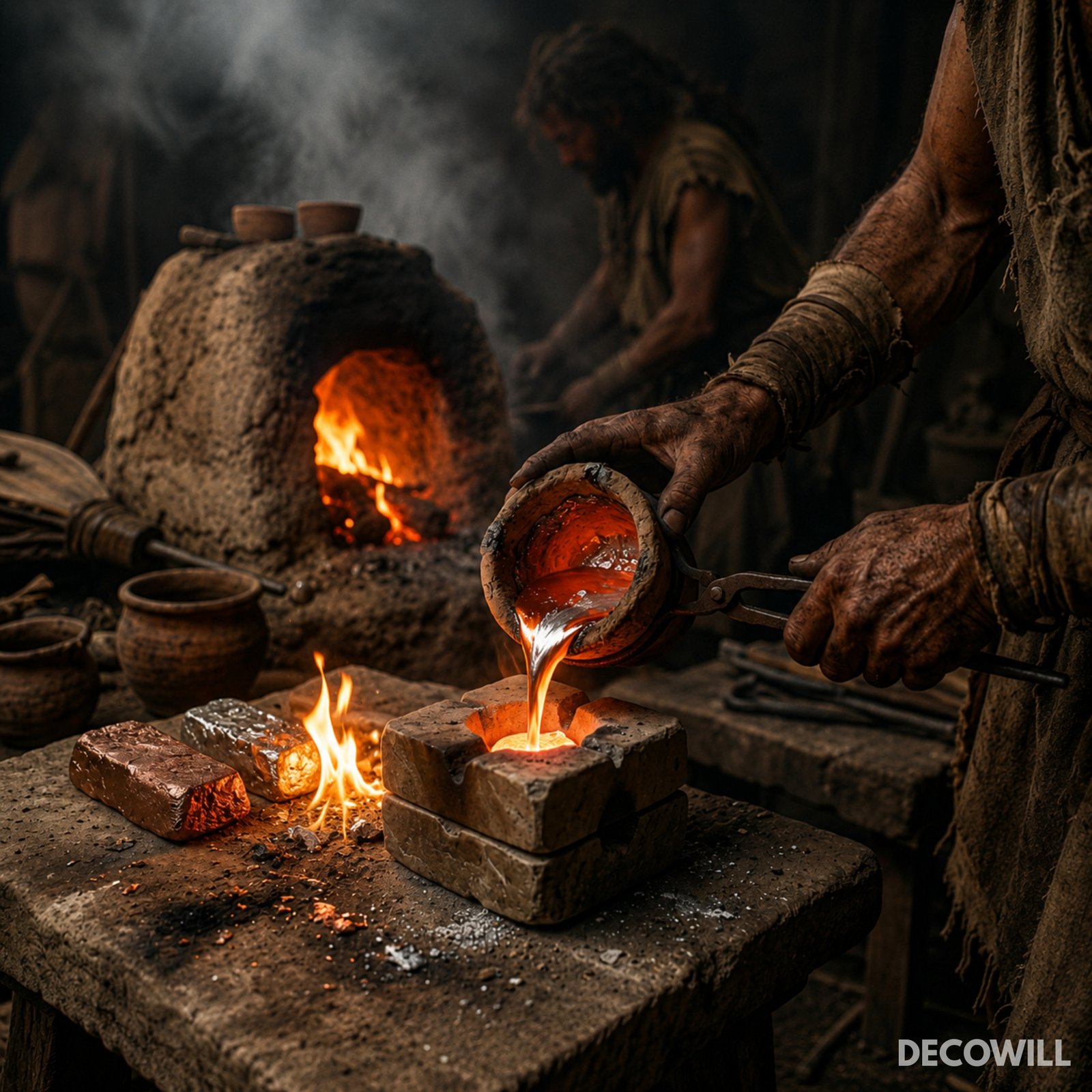
Copper + Tin = Bronze.
Bronze transformed human civilization. It made better tools and weapons, but it also made something equally important — it made great art possible. Large statues, ceremonial objects, and monuments that symbolized power and prestige were now within reach of ambitious rulers and master craftsmen alike.
The Rise of Brass
Later came perhaps the most elegant discovery of all — brass, created by combining copper with zinc.
Copper + Zinc = Brass.
Warm, golden, and beautiful, brass offered something remarkable: the appearance of gold at a fraction of the cost. It was durable, workable, and visually stunning. Naturally, it became one of the most sought-after decorative metals in the world — a position it has never relinquished.
Brass in India: A Tradition Thousands of Years Old
In India, brass is more than a metal. It is a tradition, a ritual, and a way of life.
For centuries, brass has been woven into the fabric of Indian daily existence — from the lamp lit at dawn in a household shrine to the ornate idol gracing a temple sanctum. Bells, diyas, statues, water vessels, decorative artifacts — brass has been present in all of them, connecting the sacred with the everyday.
Regions such as Rajasthan and Gujarat have long been celebrated for their brass craftsmanship.
But no city in India carries the legacy of brass more proudly than Moradabad in Uttar Pradesh — known across the world as the \"Brass City of India\" or Peetal Nagri.
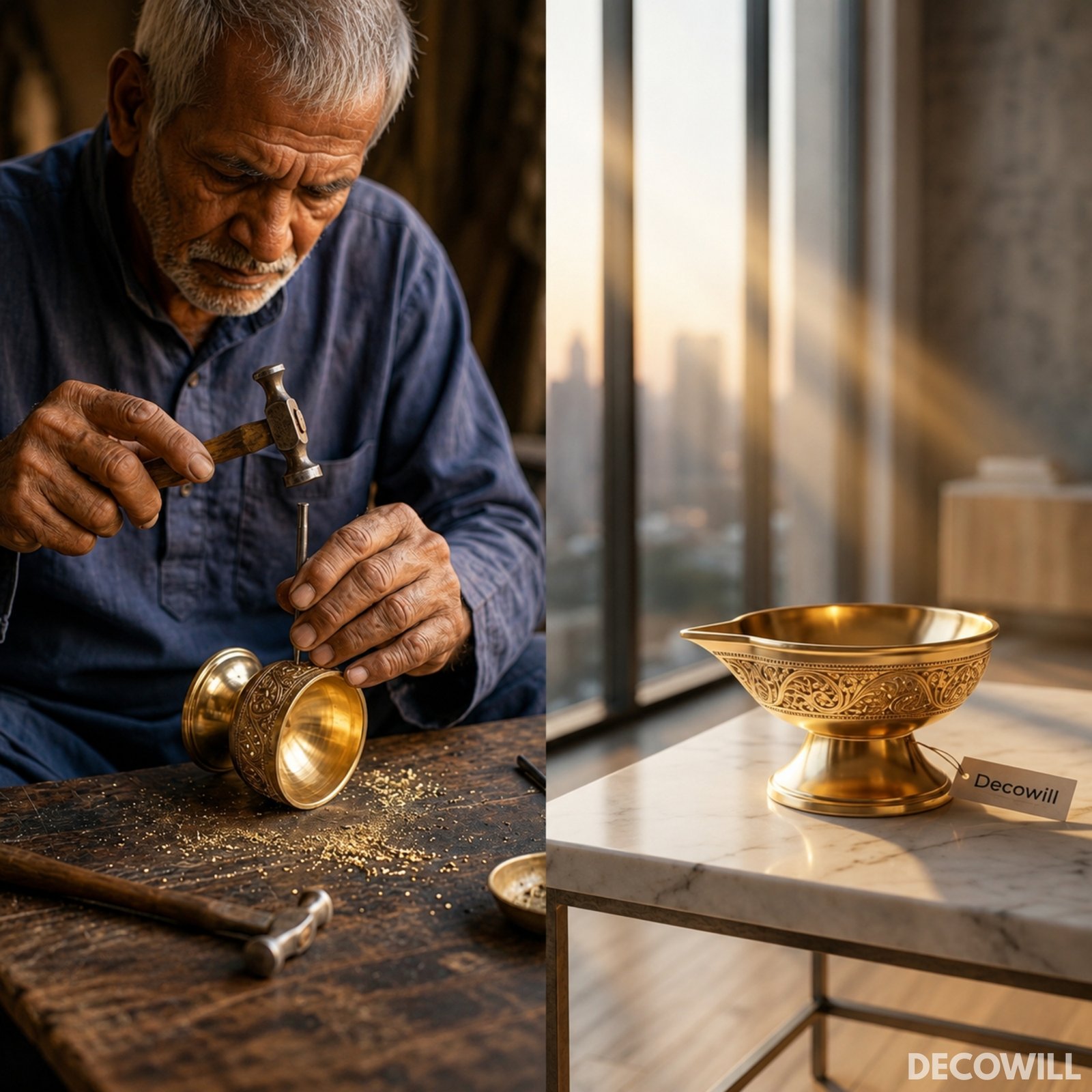
For generations, the skilled artisans of Moradabad have produced some of the finest brass objects in the world, blending centuries-old techniques with extraordinary artistic sensitivity.
Today, Moradabad remains one of the largest exporters of brass handicrafts globally — a living testament to a craft tradition that refuses to fade.
\"He who works with his hands is a labourer. He who works with his hands and his head is a craftsman. He who works with his hands and his head and his heart is an artist.\"
Metal Decor in Royal Palaces, Temples, and Mansions
For thousands of years, metal has been far more than a building material. It has been a language — expressing power, devotion, luxury, and artistic ambition in ways that few other materials can match.
Did You Know?
Built around 280 BCE, the Colossus of Rhodes was a giant bronze statue erected to celebrate a military victory. Standing over 30 metres tall, it was considered one of the Seven Wonders of the Ancient World. Though destroyed by an earthquake, it remains one of history\'s most compelling examples of how rulers used monumental metal art to project power, prestige, and glory.
Royal Palaces: A Symbol of Power and Prestige
Kings and emperors understood the power of metal. Grand gates, towering chandeliers, intricate sculptures, sweeping railings, and ceremonial objects crafted from brass, bronze, silver, and gold announced wealth and authority before a single word was spoken.
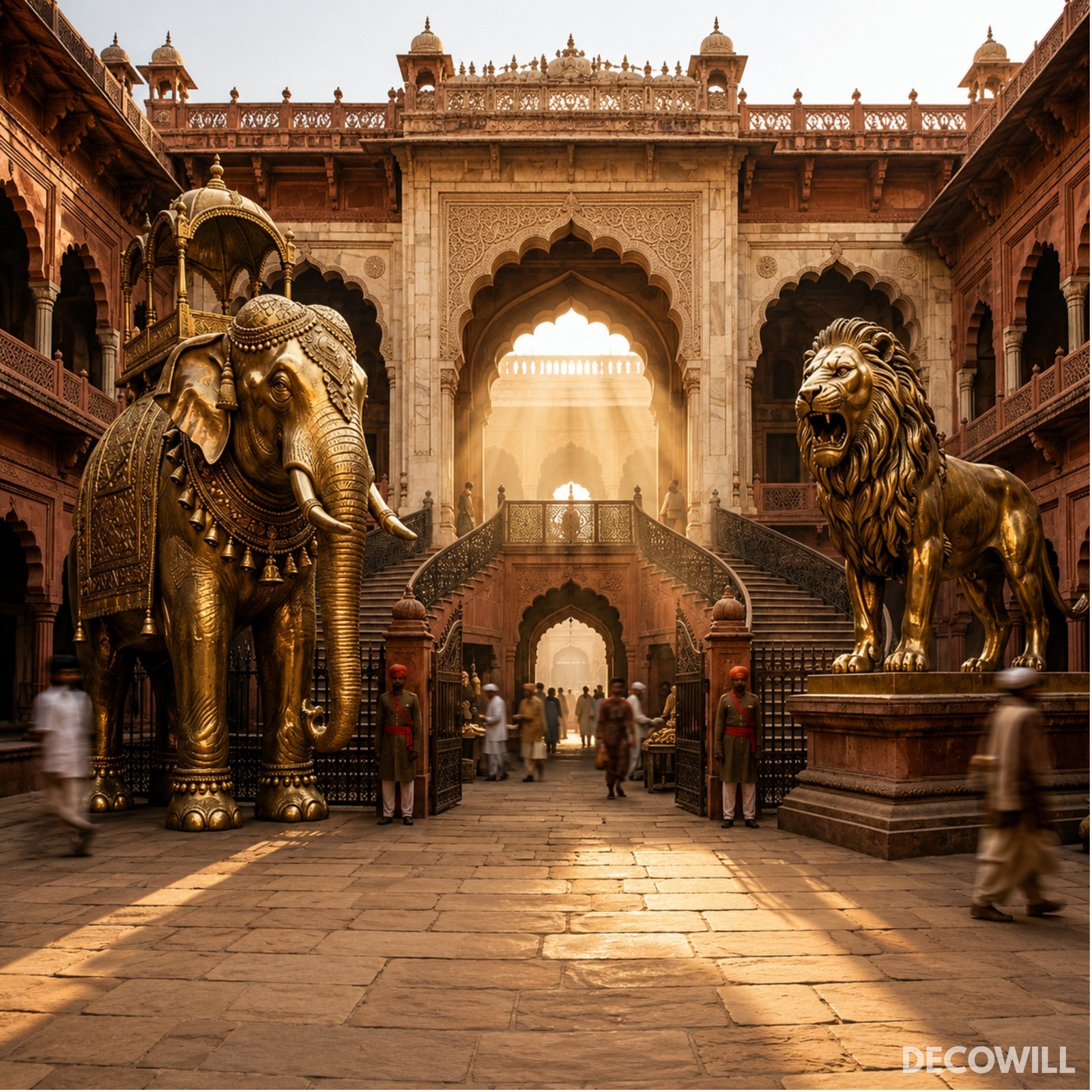
The Palace of Versailles in France remains one of the finest examples — its decorative metalwork a breathtaking reflection of royal grandeur that continues to awe visitors centuries later.
Temples: Where Metal Became Sacred
In sacred spaces, metal took on an entirely different dimension. Bells whose sound was believed to reach the divine, lamps whose flame represented the eternal, statues that embodied the presence of gods — all were crafted from brass, bronze, copper, silver, and gold.
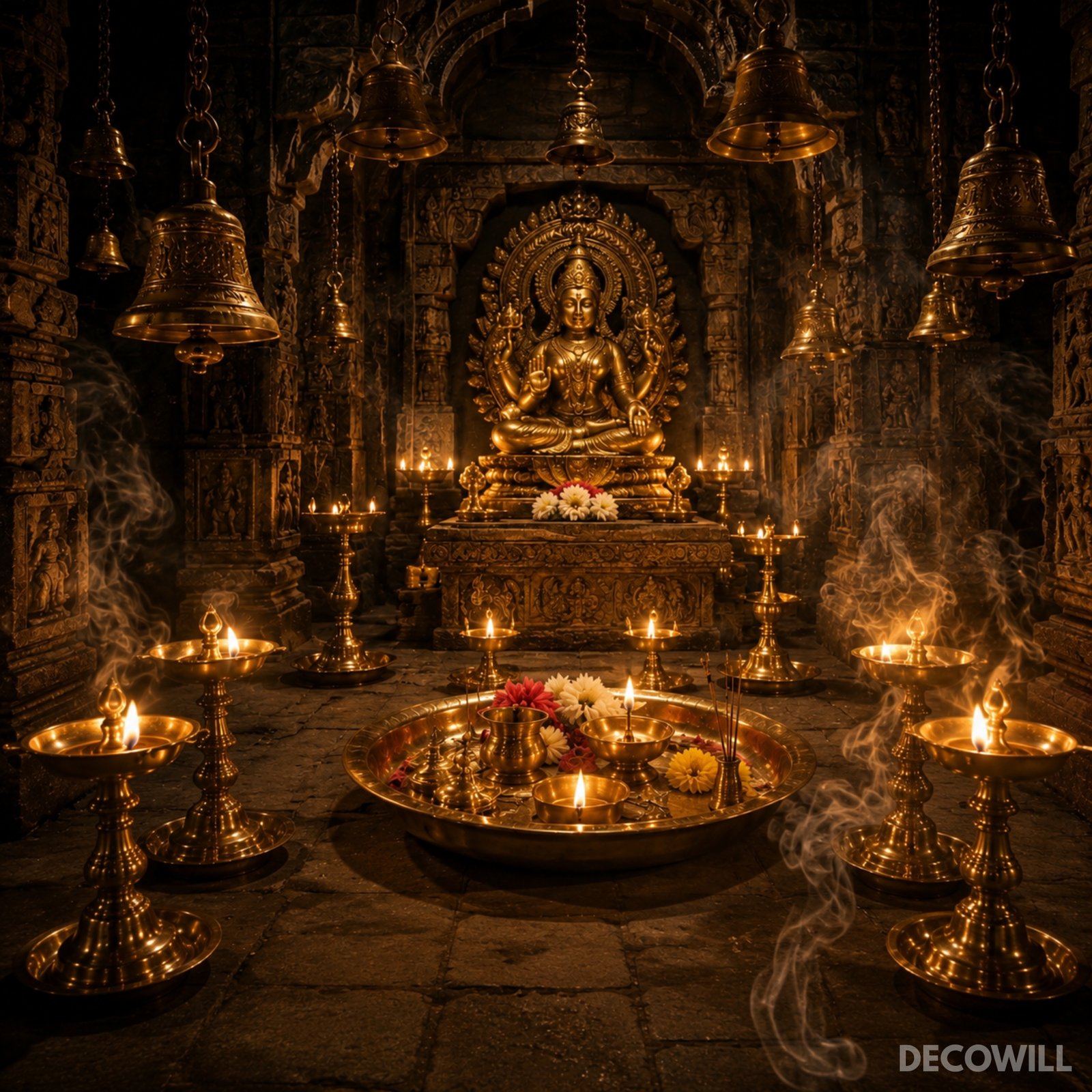
In India, the Chola bronze sculptures stand as perhaps the greatest achievement in this tradition. The celebrated Nataraja — Shiva as the Cosmic Dancer — is not merely a statue. It is a philosophical statement in metal, capturing the rhythm of creation and destruction in a single breathtaking form.
Mansions: Luxury Beyond the Palace Walls
As civilizations grew more prosperous, the love of metal decor spread beyond palaces and temples. Wealthy merchants and noble families brought brass and bronze into their homes — decorative lamps, ornate mirrors, elegant figurines, wall art, and furniture accents that announced refinement and taste.
Brass, with its golden warmth, was the natural favorite. It brought the feel of luxury into private spaces without the prohibitive cost of gold — a role it continues to play in homes around the world today.
Metal Decor: A Timeless Choice for Every Home
Centuries have passed since brass, bronze, and copper first adorned royal palaces, grand mansions, and sacred temples. Yet their appeal remains as strong today as it ever was. From luxury hotels and modern villas to modest apartments and traditional homes, metal decor continues to be cherished for its beauty, durability, and quiet elegance.
Timeless Beauty
Trends in interior design come and go with remarkable speed. Metal endures. The warm glow of brass, the deep richness of bronze, and the understated elegance of copper have complemented human living spaces for thousands of years — and show no signs of losing their appeal. They are as at home in a sleek contemporary apartment as they are in a centuries-old haveli.
Built to Last
Few materials match metal\'s combination of beauty and durability. A well-crafted brass diya or idol does not merely decorate a home for a season — it becomes part of the home\'s story, lasting decades and often passing from one generation to the next as a treasured family heirloom.
Endless Design Possibilities
Metal submits to the imagination of the craftsman like few other materials. It can be cast into bold sculptural forms, engraved with intricate patterns, hammered into organic shapes, or drawn into delicate filigree. This extraordinary versatility means that metal decor can range from a small, finely detailed diya to a commanding wall installation — and everything in between.
Works with Every Interior Style
Perhaps metal\'s most remarkable quality is its adaptability. Whether the setting is a traditional Indian home, a rustic farmhouse, an industrial urban loft, or a minimalist modern villa, metal decor integrates naturally and adds character. It does not compete with a space — it completes it.
A Legacy of Craftsmanship
Every handcrafted metal object carries within it a story — of skill inherited across generations, of hands that have learned to read the metal and coax it into beauty. In India, this story is especially alive. The brass diyas, idols, bells, and wall hangings that grace Indian homes are not assembly-line products.
They are the work of artisans — craftsmen who have spent lifetimes mastering their art, shaping raw metal by hand into objects of lasting beauty. This human touch gives handcrafted brass decor a warmth and soul that no machine-made object can replicate.
Masterpieces That Showcase the Timeless Appeal of Metal Art
The Statue of Liberty
Standing at the entrance to New York Harbor, the Statue of Liberty is one of the most recognized symbols in the world. Clad in copper, it has withstood over a century of weather and time — a majestic testament to metal\'s extraordinary durability and enduring visual power.
The Great Buddha of Kamakura
Cast in bronze in 13th-century Japan, the Great Buddha of Kamakura has presided over the landscape for nearly 800 years. Its serene expression and monumental scale make it one of the most celebrated metal sculptures on earth.
The Bronze Horses of St. Mark\'s Basilica
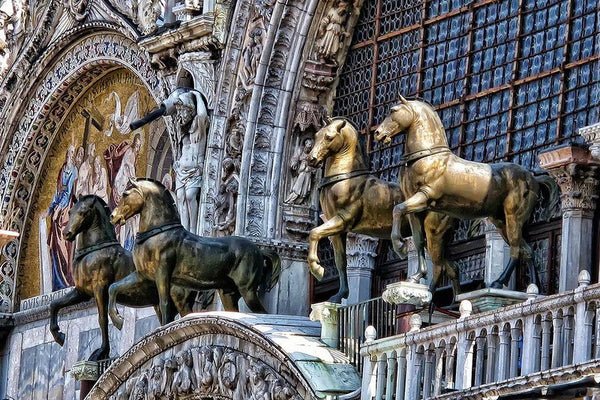
Created in antiquity and now housed in Venice, these four magnificent bronze horses have survived wars, conquests, and centuries of history. They remain among the finest examples of large-scale bronze sculpture ever produced.
The Statue of Peter the Great — The Bronze Horseman
Unveiled in Saint Petersburg in 1782, this iconic bronze monument has become inseparable from the identity of the city itself — a powerful fusion of artistic vision, engineering achievement, and historical meaning.

The Chola Nataraja
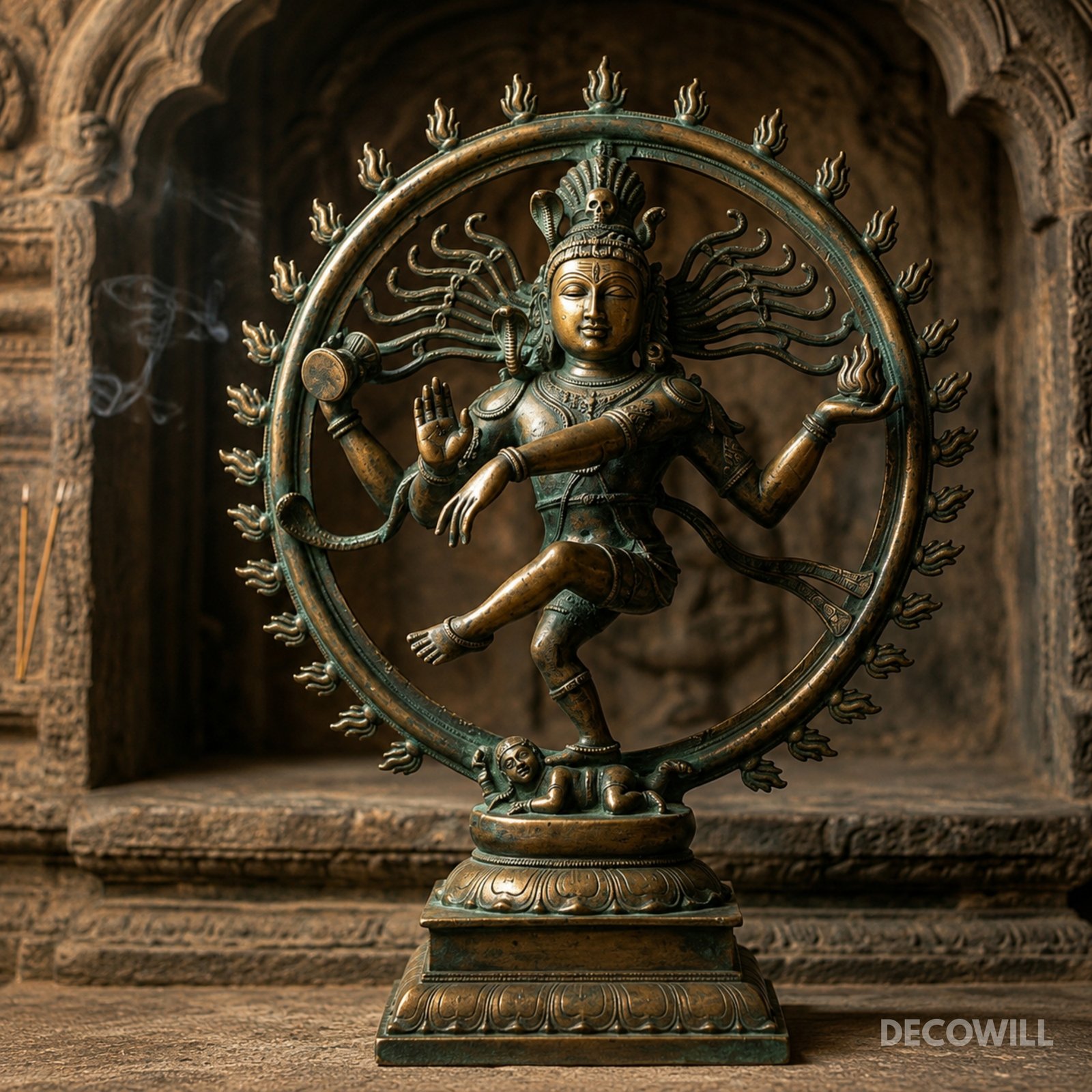
Created nearly a thousand years ago by the master craftsmen of the Chola dynasty of India, the Nataraja is widely regarded as one of the supreme achievements in the entire history of sculpture. The bronze image of Shiva as the Cosmic Dancer captures movement, philosophy, and spiritual depth in a single extraordinary form — reflecting India\'s remarkable artistic heritage and advanced metallurgical tradition. Its beauty and meaning continue to inspire artists, scholars, and admirers across the world.
Did You Know?
The influence of the Chola Nataraja extends far beyond India\'s temples and museums. A magnificent bronze Nataraja stands outside CERN — the world\'s foremost centre for particle physics research — in Geneva, Switzerland. Its presence there is a profound statement: that the ancient wisdom expressed in Indian metal art speaks a language understood across cultures, centuries, and disciplines.
Beyond Decor: The Practical Greatness of These Metals
The enduring importance of copper, bronze, and brass is not built on beauty alone. Each of these metals brings remarkable practical qualities that have made them indispensable across human history.
Copper: The Metal of Everyday Life
For thousands of years, copper has served humanity in the most practical ways - utensils, vessels, and water storage containers.
Even today, copper water bottles and jugs remain popular in millions of households, valued for copper\'s well-documented antimicrobial properties. Modern water purification systems continue to harness this same quality.
Bronze: Strength in Service of Civilization
Bronze gave ancient humanity stronger tools, better weapons, and more durable structures. But its contribution extended beyond the battlefield, and the building site - bronze bells, ceremonial vessels, and ritual objects have enriched spiritual and cultural life across virtually every civilization on earth.
Brass: Where Beauty Meets Function
Brass may be the most perfectly balanced of the three. Its golden warmth makes it beautiful; its durability makes it practical; its workability makes it endlessly versatile. From pooja lamps and temple bells to door fittings and decorative idols, brass has served both the sacred and the everyday with equal grace for thousands of years.
Caring for Your Brass Decor
One of brass\'s most appealing qualities is how little it asks of its owner in return for a lifetime of beauty.
Regular dusting with a soft, dry cloth keeps the surface clear and maintains its natural shine. For a deeper clean, a simple paste of lemon juice and baking soda - applied gently, left for a few minutes, and rinsed off - effectively restores brass\'s warm golden glow.
Avoid harsh chemical cleaners, which can strip and damage the surface. Keep brass pieces away from prolonged moisture to prevent tarnishing.
With this modest care, a well-crafted brass diya, idol, or decorative piece will remain a source of beauty in your home for decades - and very often becomes one of those quietly precious objects that passes from one generation to the next.
Brass as a Gift: A Tradition Rooted in Meaning
In Indian culture, a gift of brass has always carried significance beyond its material value.
A brass diya given to a new home carries a wish for light and warmth in every room. A brass idol presented at a wedding carries a blessing for the life being built together. A finely crafted brass lamp offered during Diwali carries the spirit of the festival itself.
This is why brass remains one of the most enduring gifting traditions in India - chosen for weddings, housewarmings, festivals, and corporate occasions alike. Unlike gifts that are consumed or forgotten, a handcrafted brass piece endures - a lasting reminder of a meaningful moment and the relationship it celebrated.
Conclusion
From the first copper ornaments shaped by ancient hands to the brass accents illuminating modern homes, metal has remained humanity\'s most faithful companion in the creation of beauty.
Civilizations have risen and fallen, design trends have come and gone — but the appeal of metal endures, as warm and compelling today as it was ten thousand years ago.
Inspired by this extraordinary heritage, Decowill brings this living tradition into contemporary Indian homes. Rooted in the legendary craft traditions of Moradabad - India\'s Brass City - every Decowill item is shaped by the hands of skilled artisans who carry forward centuries of metalworking knowledge and pride.
From elegant brass diyas and traditional pooja items to decorative idols, wall art, and thoughtfully crafted gifting collections, Decowill is a celebration of a tradition where metal is never merely a material - it is a story, a blessing, and a piece of timeless beauty brought home.